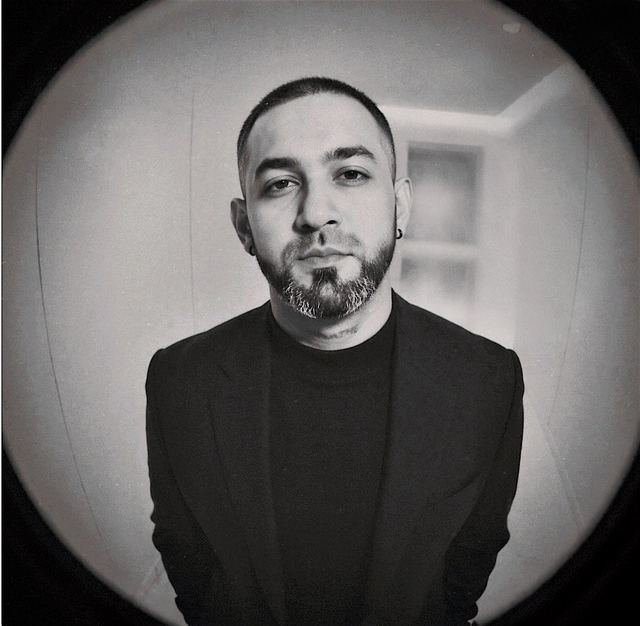
I didn’t inherit a rulebook. I had to build one.
Scroll
There was no mentor waiting to explain how the industry worked. No roadmap showing me which step came next. No established creator economy in Bangladesh, no course called “Turn Your Internet Obsession Into a Career,” and no obvious path from making things online to building a life around them.
So I learned in public.
I experimented, failed, paid attention, and tried again. Every project left something behind: a useful habit, an expensive mistake, a better question. Slowly, those lessons became my rulebook.
My name is
Asif Bin Azad.
Most people in Bangladesh know me as Azad Bhai 👋
Before I knew what a career was supposed to look like, I was already making things on the internet. I had a camera, an internet connection, an unreasonable amount of curiosity, and the persistent feeling that there had to be another way to do things.
That was enough to begin.
Over time, one idea kept returning:
When there is no clear path, build your own.
The short version
Since 2013, on one line. The long version follows.
-
 2013
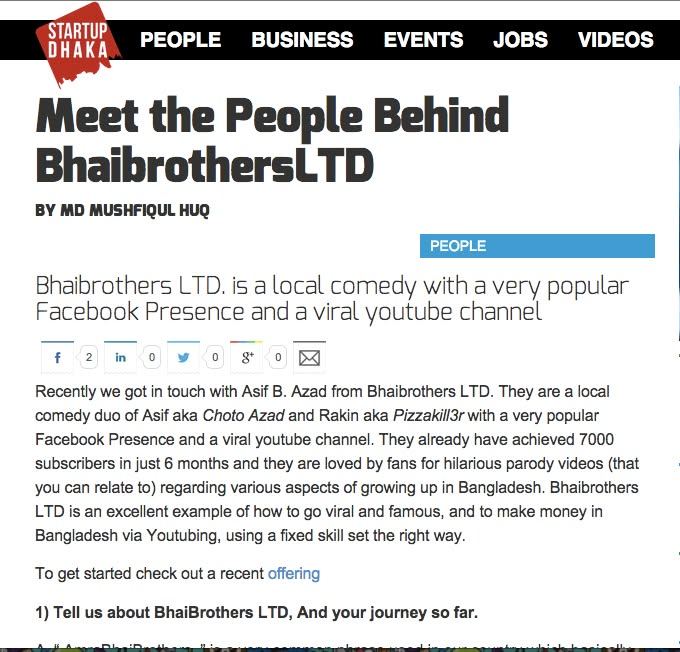
2013Bhai Brothers Ltd.
Started on YouTube while Bangladesh’s creator economy was still taking shape.
-
2014
First brand deal
Grameenphone, the country’s biggest telco.
-
 January 2016
The Interview
An original interview show, co-produced with Bongo.
- 69M+ views
- 4 seasons
- 3M+ hours watched
- 119K+ comments
- 100+ countries
-
 March 2016
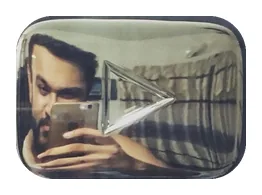
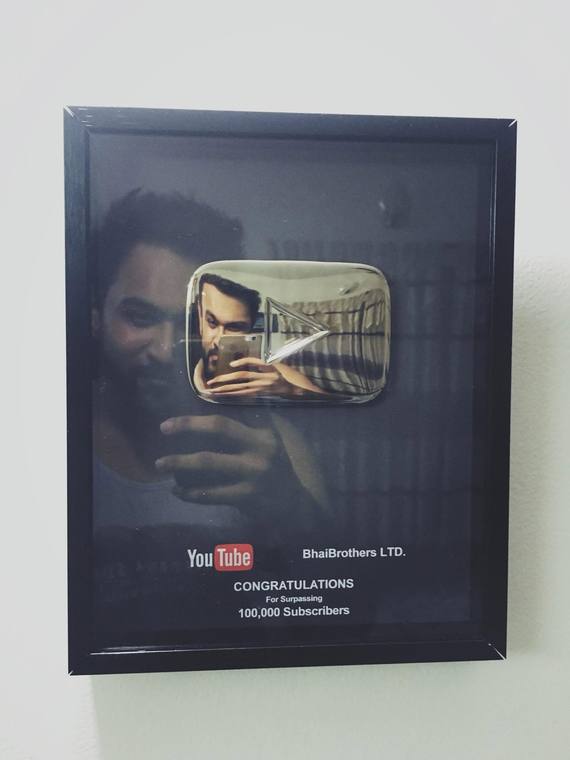
100,000 subscribers
Silver Play Button, among the first in Bangladesh.
-
2018
Bongo
Digital entertainment and media operations as OTT took off in Bangladesh. Launched Shakib Khan’s YouTube channel.
-
2019
Bongo BOOM
My brainchild: a home for the country’s top creators and content.
-
2021
AzadFM
The Interview’s successor, as a podcast on Spotify, Apple Podcasts and every major platform.
- 3 seasons
-
2022
Toffee × Banglalink
Creator initiatives and campaigns through major entertainment and sports moments, including the FIFA World Cup.
-
2024
Consulting & strategy
Positioning and growth strategy for creators, founders and businesses. It started as discovery calls.
-
2024
Mana Bay, Head of Digital
Structured the creative department and digital growth systems through launch and beta.
- <12 → 2,200+ daily website visitors
-
2024
The Limitless Company
Everything since Bhai Brothers, connected into one company: a founder-led ecosystem for creators and entrepreneurs, plus our own products.
- 60 automated YouTube channels
- 17-person remote team
- BD · UK · Canada
-
 Now
NowDay and night
By dayHead of Marketing & Content at StarConnectBy nightBuilding Experience. Read the blog
The internet was my first school
I started building online around 2013, when most people around me still thought of YouTube as a place to watch videos, not a place to build a career.
There was no established creator economy in Bangladesh. No local playbook. No obvious business model. No one nearby who could explain how an audience became a community, or how a community became a company.
So I learned by making things.
Then watching them fail.
Then making them again with slightly better judgment.
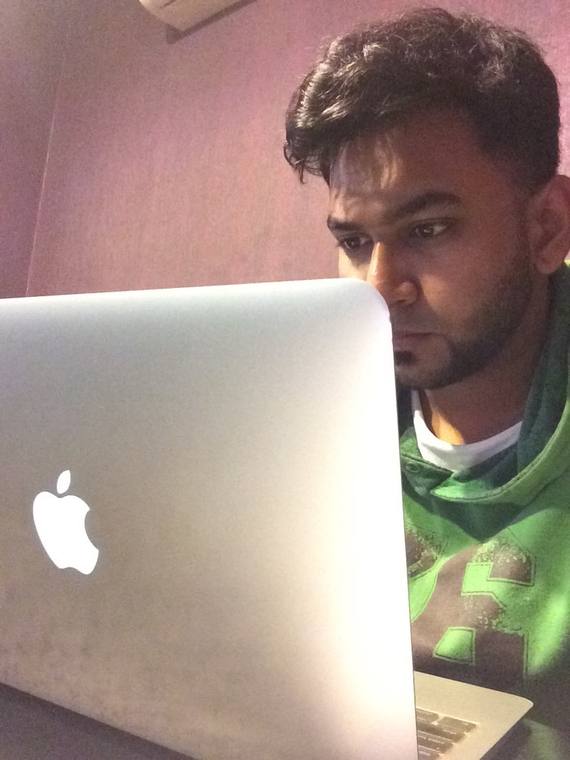
Being good at making things is not the same as knowing how to make things matter.
That distinction has shaped almost everything I’ve done since.
Before strategy, there was comedy
A lot of my early internet life was built around entertainment.
Some of it worked.
Some of it absolutely did not.
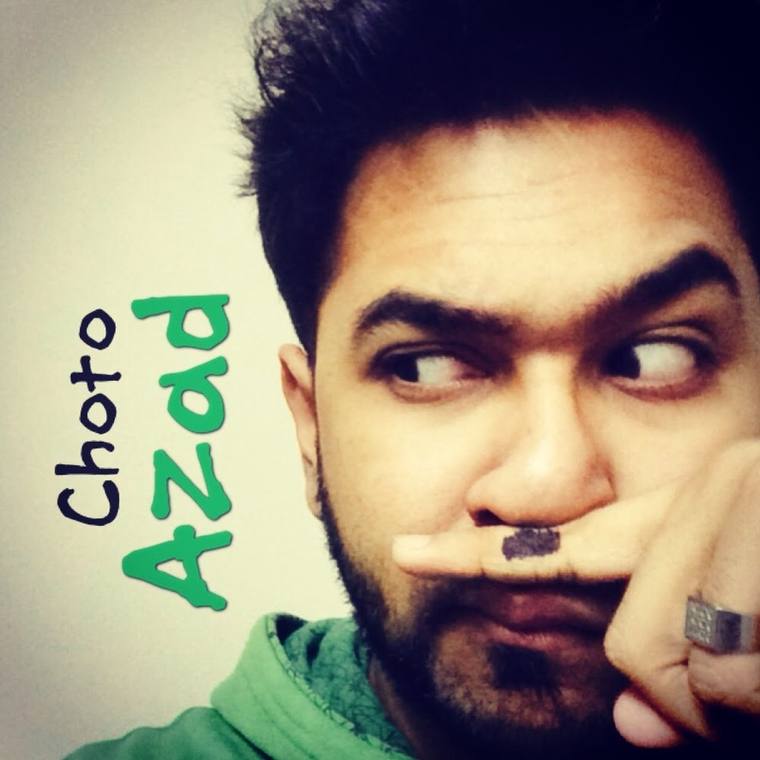
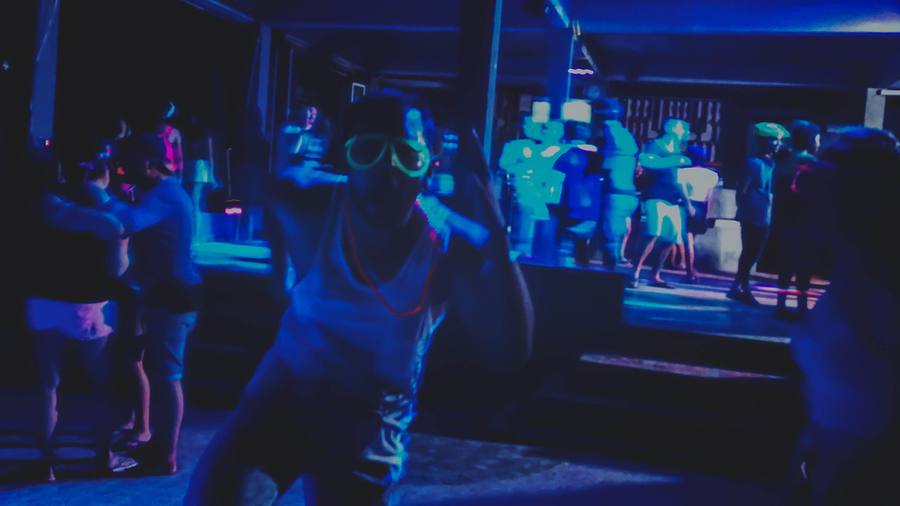
But those years taught me things no business textbook could have taught me.
I learned what makes someone stop scrolling. What makes them send a video to a friend. Why one idea travels while another disappears without leaving a trace. Why people remember a face, a voice, or a strange little detail long after they forget the subject of the video.
Most importantly, I learned that people don’t really connect with content.
They connect with the person inside it.
I also learned to be comfortable being seen before I was comfortable being successful. That mattered later, because building anything online requires a certain tolerance for awkwardness. You have to publish before you feel ready. You have to let people judge the rough version. You have to keep going while the numbers are still small enough to feel personal.
That became an unfair advantage.
Then I started building things bigger than myself
Eventually, making videos wasn’t enough.
I wanted to understand everything around them.
How platforms worked. How brands made decisions. Why some creators became businesses while others stayed trapped in a cycle of constant posting. How an audience became a community. How a piece of content became a campaign, how a campaign became a brand, and how a brand became an ecosystem.
That curiosity took me deeper into digital media.
I worked across content, strategy, production, marketing, digital growth and creative operations. I sat in rooms with some of the biggest brands in the world. I worked with creators and entertainers. I built teams, launched channels, helped build digital departments, and worked on campaigns that reached millions of people.
I also spent plenty of time alone in a room wondering whether any of it was actually going anywhere.
Both experiences mattered.
The public wins taught me what was possible. The private doubt taught me how much work was required when nobody was clapping.
One of my first big lessons came from Coca-Cola
In 2017, I was approached for a Coca-Cola project around Coke Zero and Sprite Zero.
The initial idea was straightforward: I would be the face of some online content.
But sitting in that meeting, I kept thinking:
Why are we making another piece of content when we could create an experience?
Coca-Cola was talking about happiness and sharing joy. Burger King had recently entered Bangladesh and was generating its own wave of attention.
So I pitched a different idea: why not bring the two worlds together and create something people could actually experience, rather than simply watch?
The idea evolved.
The partnership happened.
And suddenly I wasn’t just appearing in the campaign. I was writing it, planning it, producing it, filming it with my team, editing it, finishing it, and watching the final piece appear on Coca-Cola’s official YouTube channel.
I remember the feeling more clearly than I remember the meeting.
It wasn’t just that the brand was Coca-Cola. It was that someone had trusted an idea that had started as a thought in my head. A thought that could easily have stayed there.
That gave me a different kind of confidence.
Not just: “I can make videos.”
More like: “Maybe I can see opportunities other people haven’t seen yet.”
Then came the bigger problems
At some point, the questions changed.
It wasn’t: “Can I make this?”
It became: “Can I build the system that makes this possible repeatedly?”
That question took me deeper into digital media.
At Bongo, I worked as a Content Manager and became involved in building creator-led initiatives and digital entertainment projects. One of those ideas became Bongo BOOM.
Another idea had been sitting in the back of my mind for a while. Shakib Khan was already one of the biggest stars in Bangladesh. But I kept asking myself:
Why shouldn’t the biggest star in the country have a serious YouTube presence?
So I approached his management.
The question became a plan.
The plan became a channel.
I worked on the channel setup, content pillars, roadmap and calendar. Then I hosted the launch event and helped create the promotional content around it.
There is a particular satisfaction in seeing an idea leave your head and become something other people can point to. A channel. A campaign. A real thing with a name, a team and an audience.
That pattern became familiar:
See something.
Ask why it doesn’t exist.
Build it.
The World Cup taught me about scale
In 2022, I was working with Toffee during the FIFA World Cup.
This time, the challenge wasn’t simply making content. Millions of people were watching, and the opportunity was too large to treat the audience as passive viewers.
I was leading the UGC and creator side of the campaign. We planned the creator journey, built the UGC strategy, worked with creators, created pre-hype, and developed Toffee Tiki Taka Talk, a show that continued throughout the tournament.
The numbers became enormous.
But the number I remember most isn’t really a number.
It’s the image of something we had helped design moving through millions of people’s phones at the same time.
That was when “digital media” stopped feeling like a career to me.
It started to feel like infrastructure.
Something people built their routines around. Something that could shape what they watched, discussed, shared and remembered.
Then I met a different kind of problem
Mana Bay was different. It wasn’t a YouTube channel or an entertainment platform. It was a business trying to explain its value online.
At first glance, the problem looked like marketing.
Underneath, it was communication.
People didn’t necessarily understand what they were paying for.
Why was it expensive?
What made the experience different?
Why should someone travel there?
What exactly were they getting for one ticket?
Those questions mattered more than another promotional post.
So we started with the story.
We looked at the brand, the business, the audience and the objections. We built campaigns, worked with influencers, and designed content that educated people as much as it entertained them.
That experience changed how I think about marketing.
The best marketing doesn’t always convince people to buy. Sometimes it simply helps them understand what they’re looking at.
And then I walked away
31 December 2019
I resigned from my corporate role.
I didn’t have everything figured out. There was no perfectly timed startup exit, no giant investment, and no five-year plan printed on expensive paper.
I simply knew I needed to build something of my own. So I did what people often do when they have no idea what they’re doing.
I started anyway.
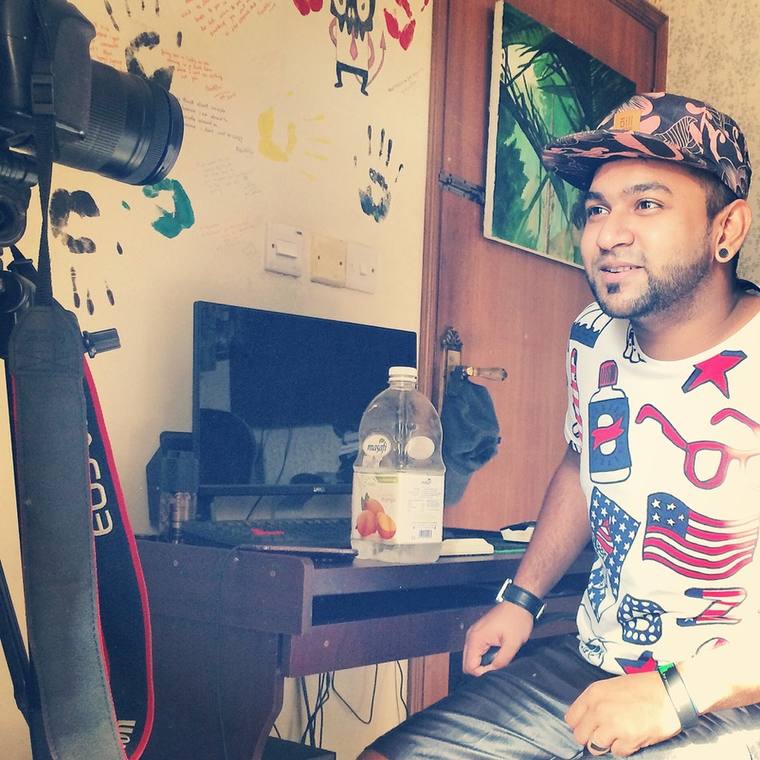
My bedroom became an office. The internet became my distribution network. Experimentation became the business model.
Some ideas worked.
Some didn’t.
Some looked brilliant for three weeks and ridiculous three months later.
I built systems around content, explored automation, worked with creators, built teams and tried different business models. I made money. I lost money. I learned things that would have been impossible to learn from a book or a conference.
There were days when the work felt like progress. There were other days when it felt like I had rearranged the furniture inside a burning house.
Somewhere along the way, I stopped thinking of myself as just a creator.
I became an operator.
The six-year chapter
The years that followed weren’t glamorous.
They were formative.
There were long stretches where I was building without much external validation. No announcement. No applause. Sometimes not even a clear result to point to.
I had to learn discipline without anyone checking whether I showed up.
I had to learn business without a traditional business education.
I had to learn how to manage people, money, time, attention and my own expectations, often while pretending I was more certain than I actually was.
I had to learn when to keep pushing and when to kill an idea I had become emotionally attached to.
And I had to get comfortable with the fact that progress is often invisible while it is happening.
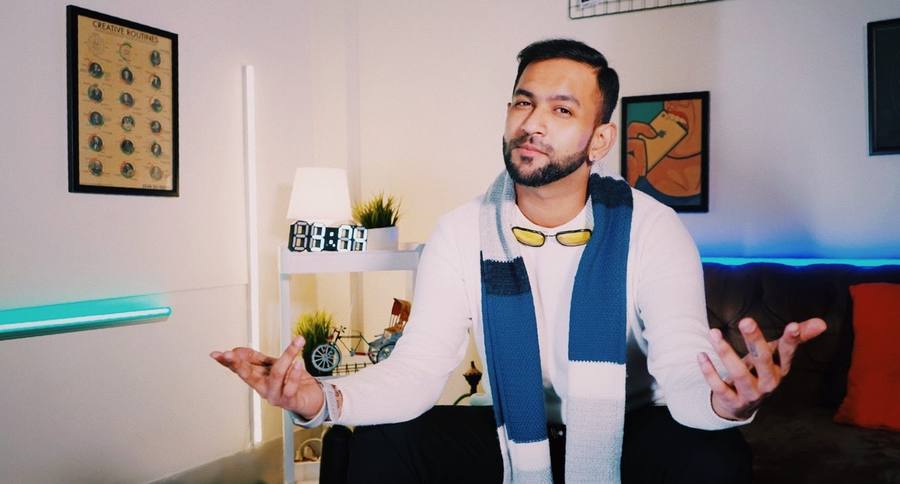
Looking back, those years were less of a detour and more of an apprenticeship.
A strange, expensive apprenticeship, with tuition paid in missed opportunities, bad decisions, long nights and the occasional lesson that could have been learned much more cheaply.
But an apprenticeship nonetheless.
What I believe now
I don’t believe there is one formula for success. I don’t believe every problem needs more motivation. And I definitely don’t believe everyone needs another guru telling them what their life should look like.
I’ve spent too much time on the internet to believe that. What I do believe is simpler.
Clarity beats noise.
Specificity beats trying to appeal to everyone.
Execution teaches you things planning never will.
The internet rewards people who build direct relationships with their audience.
And perhaps most importantly:
You don’t need permission to begin.
The internet is still one of the greatest schools humans have built. You can learn almost anything, find people who care about the same strange subject, build an audience, sell something, create a company, reinvent yourself or start again.
The gatekeepers are still there.
But they don’t own all the gates anymore.
Why I call myself a Digital Sage
I don’t use that phrase because I think I have all the answers.
Quite the opposite.
I’ve simply been doing this long enough to know how expensive certain lessons become when you learn them the hard way.
- Chased the wrong thingspaid
- Built things that didn’t workpaid
- Trusted the wrong peoplepaid
- Underestimated how much consistency matterspaid
- Overcomplicated things that should have been simplepaid
- Confused activity with progresspaid
- Convinced myself a bad idea only needed “more time”paid
Experience becomes valuable only when you can turn it into something useful for someone else. That’s what I want to do now.
Not tell people what to think.
Not sell certainty.
Not stand on a stage pretending I have life figured out.
Just share the rulebook I had to write for myself, including the pages I would rather have skipped.
The Asif Azad Experience
Today, I’m building The Asif Azad Experience around that idea. It’s the intersection of everything I’ve spent the last decade learning:
I work with founders, creators and ambitious people who are trying to build something meaningful in an environment that doesn’t come with instructions.
Sometimes they need strategy.
Sometimes they need clarity.
Sometimes they need someone to look at the mess and say: “You’re solving the wrong problem.”
Sometimes they need someone who has already been through that particular fire and can point out which parts are actually burning.
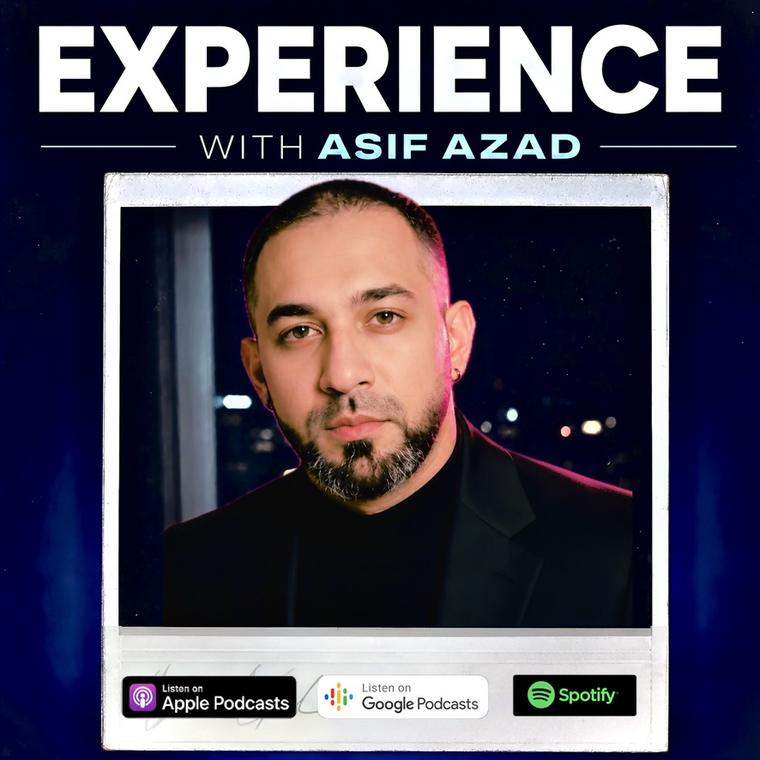
That’s the role I want to play.
Not the guru.
Not the motivational speaker.
Not the guy with a perfect morning routine and a rented Lamborghini.
Just someone who has been building on the internet for a very long time, has collected a ridiculous number of lessons along the way, and is finally putting them somewhere useful.
The archive
Drag the photos around. Click one to open it.Tap a photo to open it.

I’m still building
I don’t think my story has a neat ending. I don’t particularly want one.
I’m still experimenting. Still learning. Still making things. Still asking questions. Still occasionally making spectacularly questionable decisions.
The difference is that now I know those mistakes are not free, but they are not always wasted either.
I started because I wanted to make videos.
Then I wanted to build audiences.
Then businesses.
Then systems.
Now I want to help other people build theirs.
And if there is one idea that has survived every version of my career, it’s this:
Stop waiting for permission.
Build direct.
Build something you believe should exist.
Learn from the receipts.
And when you finally figure something out, leave the door open behind you.
Because nobody gave me the rulebook.
So I’m writing mine down.

Keep exploring: Case studies · Services